
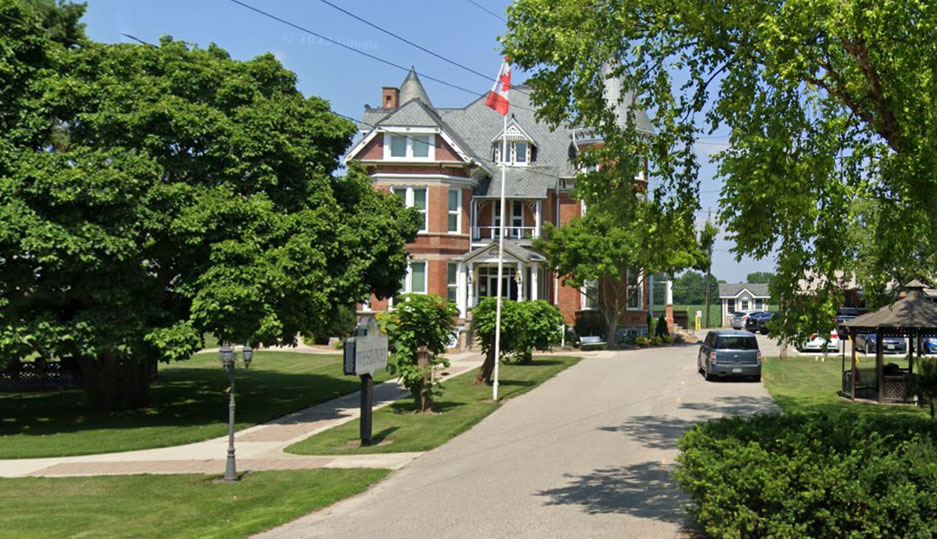
Heather Wright/The Herald
Laird Brush is quite sure if he wanted to put a safe injection site on the front lawn of Westover Treatment Center in Thamesville, someone in the provincial government would fund it. But finding $285,000 for a virtual program that helped over 400 people a year has been impossible.
The executive director of the treatment center has been on a mission to make people aware that a program which literally saved lives across southwestern Ontario has stopped operating after the provincial government end the funding It was originally funded during the pandemic.
But Brush says the planning for the program was in the works for some time before anyone heard the word COVID.
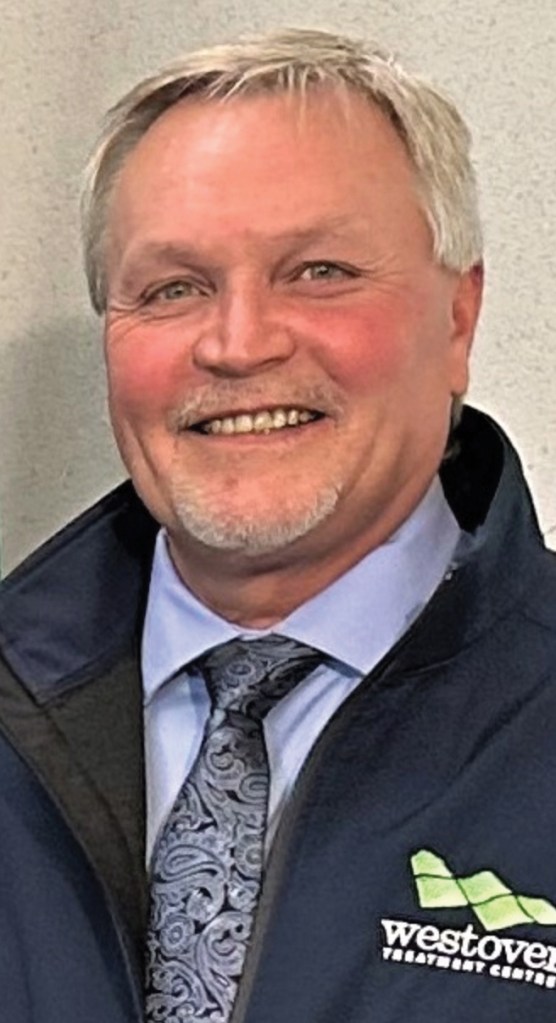
“People are thinking that while the pandemic was on, we offered treatments through a virtual platform. Now the pandemic is “over” there is no need for it. That’s not the case.
“We’ve got the technology necessary to be able to offer the virtual program as a result of COVID, but the virtual program was built and designed and implemented to address historical barriers to treatment.”
And virtual program smashed down a number of those barriers which kept people from seeking treatment at Westover’s residential program.
“We’re getting people from all over the province and even outside the province. We were getting clients that wouldn’t … necessarily succeed in residential treatment. They would perhaps have social anxiety where a congregate setting wouldn’t be conducive to their recovery. They might have been held up for prohibitive medications. We had nursing mothers attend. We had guys that were on house arrest that could attend.
“So, it basically eliminated any barrier you could think of to attend to the residential addictions treatment center or program by offering it on a virtual platform.”
And people who were ready to kick their addictions didn’t have to wait for a referral; they could just call and be put on a list for the program. “ It had a very short wait list,” said Brush.
“Our wait list for residential programming is about six to eight weeks and that’s really low compared to most centers in the province. But the wait time to get into virtual program could be as little as a week.”
The program wouldn’t have been possible without the provincial funding. Brush says Westover didn’t even have WIFI when the pandemic started. The provincial funding allowed the treatment center to get online, buy some Chromebooks to help those who didn’t have computers at home, a smart board for the virtual sessions and hire two counsellors.
And Brush says while some people in the profession questioned whether a virtual program would work, hundreds of people connected virtually and got sober.
“It’s all about connection, and whether we be able to get those connections on a virtual platform and it turned out that we did and we did very successfully,” says Brush.
“Not only were clients able to connect with each other in their groups, they stay connected outside after the program was completed for them. They started to connect with 12 Step groups and recovery support groups in their community and build those connections out in the real world, if you will, after they completed the virtual programs. So virtual programming works.
“We had over 400 clients access services through their virtual day program (VDP) and we’ve had clients speak here at the center that have celebrated two years of continuous sobriety, just as a result of going through the VDP.”
And it wasn’t just Generation Z logging on to change their lives.
“A lot of people that aren’t as young don’t believe it’ll work. The younger people know that it does because they’ve made connections virtually through social media and all sorts of other things all along, right – so getting help on a virtual platform doesn’t seem that odd to them. However, it does seem odd to folks who aren’t used to it.”
While Brush had hard data to show the virtual program was helping more people at a lower cost, the province ended the COVID funding and there was nothing to replace it. Despite visits to the Minister of Addictions and Mental Health and ministry staff, Brush hasn’t been able to secure new funding. Westover continued running the program until August, using the charity’s reserves to fund it and hoping for some level of government to step up.
“It reached the point where it’s just not financially feasible for us to continue to run it. We’re a non-profit charity and I wouldn’t be able to justify it to my board if I kept spending our reserves on it. So, the last group commenced on Aug. 4. We’ve suspended it – I hesitate to say shut it down – because I’m still advocating and approaching the ministry to try and get funding when it becomes available for us.
“So far, no luck.”
The end of the program means more people will only have the residential program as an option. And, Brush says, it also led to layoffs. Two counsellors hired specifically to meet the virtual demand had to be let go.
“One of the biggest challenges that I have here at Westover is recruiting and retaining highly skilled staff. We have a very highly skilled staff. And I managed to recruit two brilliant addiction counselors for that program, and then have to turn around and lay them off….it just doesn’t sit well.”
Particularly when Brush knows the highly-effective program doesn’t need a huge cash infusion to improve hundreds of lives.
“It amounts to 0.03 per cent of the amount of money that the provincial government has said they’ve allocated to mental health and addictions. They’ve put out numbers like $90 million that they’ve set aside for mental health and addictions.
“What I’m asking for is basically the price of a cup of coffee. It costs us slightly over $2 million per year to run Westover treatment center…the government funds that to about $1.7 million, and we rely on fundraising and donations for the balance.
“I can reach just as many people through our virtual program for the price of $285,000.
“I mean, to me, it’s just insane that people don’t sees that this an obvious, worthwhile investment.”
Brush says it’s particularly frustrating when the province is funding other programs which would not be as effective.
“I told the Ontario Health West I said if I put a safe injection site on our front lawn, you’d be throwing money at me; but because we’re offering programs that save lives instead of keeping people sick, I’m struggling to get $285,000 It doesn’t make any sense to me.”


 The Herald serving Thamesville, Dresden and Bothwell